
5 Electrical Upgrades That Improve Home Safety and Value in Delaware
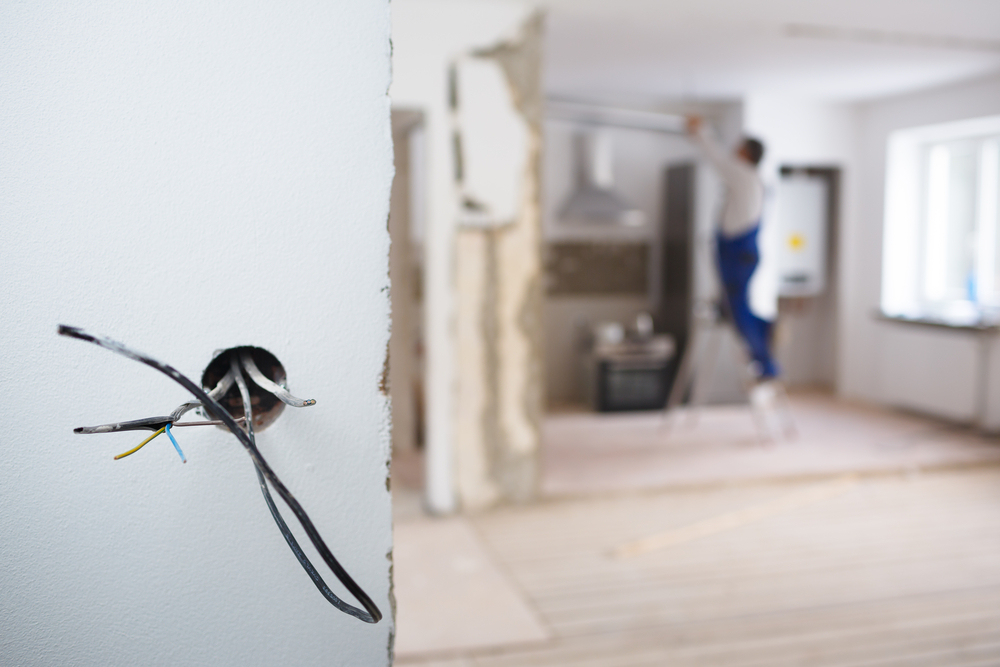
When it comes to maintaining or improving a home in Delaware, homeowners often focus on aesthetic changes or adding space. However, electrical upgrades are equally, if not more, important for both safety and increasing property value. From outdated panels to inefficient lighting, many homes hide electrical flaws that could pose risks or lower market appeal. In this blog, we’ll explore five electrical upgrades that offer the most impactful benefits for homeowners in Delaware.
1. Electrical Panel Upgrade: The Foundation of a Safe Electrical System
Many homes in Delaware, particularly older ones, are still running on outdated electrical panels. These panels were not built to handle the demands of modern life, where households rely on an increasing number of electronic devices, appliances, and smart home systems. An old or overloaded panel can result in frequent circuit breaker trips, flickering lights, or even dangerous conditions like electrical fires.
An electrical panel upgrade improves safety by ensuring your home can handle the current load. It also prepares the house for future additions such as electric vehicle chargers, hot tubs, or home offices. This upgrade involves replacing the existing panel with a newer, higher-capacity version that meets today’s electrical codes and standards. In Delaware, many home inspectors and appraisers recognize this as a crucial improvement that boosts both safety and home value. New buyers are more likely to pay a premium for homes that show evidence of proactive maintenance and modernization.
Additionally, insurance companies may offer lower premiums or be more willing to cover a home that has an updated electrical panel. With stricter regulations in place across the state, this is a smart step toward both compliance and convenience.
2. Home Wiring Upgrade: Eliminating Hidden Hazards
While the electrical panel is the hub of the system, the wiring running through the walls is just as critical. Outdated wiring, such as aluminum or knob-and-tube systems, can degrade over time, becoming brittle or developing loose connections. These conditions are serious fire hazards and are unfortunately common in older Delaware homes.
A home wiring upgrade not only improves safety but also ensures consistent power delivery throughout the house. Signs that wiring may need attention include warm or discolored outlets, buzzing sounds from behind walls, or the persistent need to use extension cords due to lack of available outlets. These warning signs should not be ignored.
Modern wiring supports newer appliances and can accommodate high-demand areas such as kitchens, entertainment centers, and home offices. For growing families or those with tech-heavy lifestyles, reliable wiring is essential. Moreover, updated wiring can be a significant selling point. Real estate agents in Delaware often highlight upgraded electrical systems in their listings as a key feature that adds resale value.
Upgrading the wiring also allows homeowners to reassess and improve the layout of outlets and switches, making everyday life more convenient and efficient. In some cases, smart wiring solutions can be incorporated during the upgrade, enabling features like voice control, remote access, and energy usage monitoring.
3. LED Lighting Retrofits: Brightening the Home and Cutting Costs
Lighting plays a central role in the functionality and atmosphere of a home, but outdated lighting solutions like incandescent or halogen bulbs can be both inefficient and costly. LED lighting retrofits are a practical electrical upgrade that significantly boosts energy efficiency while reducing heat output and maintenance costs.
In Delaware, where energy efficiency initiatives are growing in popularity, switching to LED lighting is also a smart environmental choice. These lights use a fraction of the energy of traditional bulbs and last much longer, which means fewer replacements and lower utility bills over time. Some homeowners even qualify for rebates or incentives from local energy providers when upgrading to LED solutions.
Retrofitting involves replacing older fixtures or bulbs with LED-compatible components. The result is better lighting quality and uniformity throughout the home, which improves comfort and usability. In kitchens, bathrooms, and workspaces, brighter and more focused light enhances safety and productivity. Meanwhile, dimmable LEDs can create cozy and customizable ambiance in living areas and bedrooms.
LED lighting retrofits are also a valuable asset when it comes time to sell. Buyers increasingly look for energy-efficient homes with modern fixtures that require less upkeep. This simple upgrade offers a substantial return on investment while also contributing to a safer and more enjoyable living environment.
4. Surge Protection Installation: Shielding Your Home from the Unexpected
Power surges are sudden increases in voltage that can damage or destroy electronic devices and appliances. While some surges originate outside the home during lightning storms or utility issues, others occur internally when large appliances cycle on and off. Installing whole-home surge protection is a highly effective way to defend against these risks.
A whole-home surge protector is installed at the electrical panel and works by redirecting excess voltage safely into the ground before it can reach your devices. This upgrade is especially important for homes filled with electronics like smart TVs, computers, and gaming consoles. In Delaware, where thunderstorms are a common seasonal threat, surge protection can save homeowners from costly replacements and reduce the risk of electrical fires.
This electrical upgrade is often overlooked but is essential for anyone who wants peace of mind. In some cases, surge protection may even be required to meet updated electrical codes, especially when completing other major upgrades. When paired with an electrical panel upgrade, it creates a robust foundation for home electrical safety.
Beyond protection, this investment demonstrates a commitment to quality and modern standards. Buyers view surge protection as a thoughtful and practical improvement, adding to a home’s overall appeal.
5. Ground Fault and Arc Fault Circuit Interrupters: Enhancing Everyday Safety
Electrical code in Delaware, like most states, now requires the use of Ground Fault Circuit Interrupters (GFCIs) and Arc Fault Circuit Interrupters (AFCIs) in specific areas of the home. These devices offer critical protection by preventing shock hazards and fire risks.
GFCIs are essential in areas where water and electricity are in close proximity, such as bathrooms, kitchens, laundry rooms, and outdoor outlets. They work by detecting any imbalance in electrical current and cutting power almost instantly, reducing the risk of electrocution.
AFCIs, on the other hand, are designed to detect dangerous arcing conditions that can lead to electrical fires. These are commonly required in bedrooms, living rooms, and hallways. Many older homes in Delaware do not have these protective devices installed, especially if no major renovations have been undertaken since the code updates.
Installing GFCIs and AFCIs is a relatively low-cost electrical upgrade with high safety benefits. These devices not only protect your family but also ensure compliance with current regulations. Inspectors often flag missing or outdated protective devices during home sales, so addressing this ahead of time can streamline the selling process and boost buyer confidence.
By upgrading to include these advanced circuit interrupters, homeowners make a clear statement about the quality and safety of their property, increasing its value in a competitive real estate market.
Conclusion
Electrical upgrades are more than technical improvements. They are key investments in the safety, efficiency, and value of your home. In Delaware, where homes range from historic properties to newly built developments, modernizing your electrical system is a smart move. Whether you are planning to stay for years or preparing to sell, these improvements will protect your family, lower energy costs, and attract future buyers.
From an electrical panel upgrade to LED lighting retrofits, each upgrade plays a unique role in creating a safer and more valuable home. Do not wait for signs of trouble to appear. Proactive electrical upgrades can save time, money, and possibly lives. Talk to a licensed electrician to evaluate your current system and create a plan that aligns with your needs and long-term goals. Your home is one of your most significant investments. Make sure its electrical system lives up to that responsibility.