
Pole Building Wiring in Delaware: Common Mistakes That Lead to Expensive Repairs
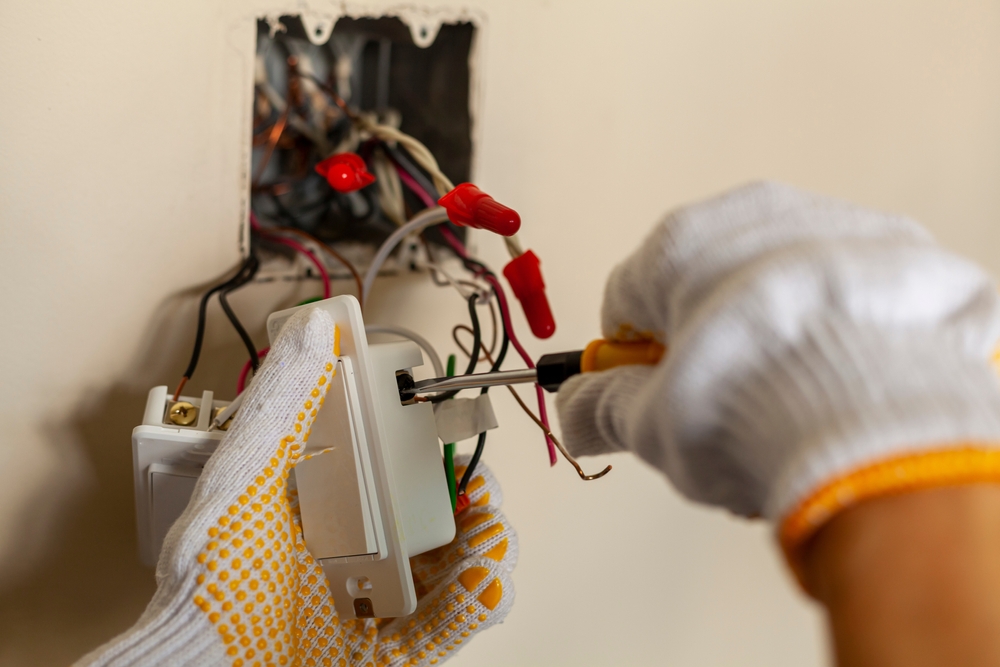
Pole buildings have become increasingly popular in Delaware for agricultural operations, workshops, and storage facilities. However, many property owners make critical errors during the pole building wiring process that can result in dangerous conditions and costly repairs down the line. Whether you’re planning a new barn electrical installation in Dover, DE, or upgrading an existing structure, understanding common wiring mistakes is essential. This guide explores the most frequent errors and how to avoid them when working with a qualified agricultural electrical contractor in Delaware.
Inadequate Planning and Code Compliance Issues
One of the most expensive mistakes property owners make is failing to plan their barn electrical installation properly before construction begins. Many people underestimate the complexity of pole building wiring and attempt to install systems without consulting local codes or hiring a licensed workshop wiring electrician. In Smyrna, DE, and throughout Delaware, electrical codes are strict for good reason: they protect your property and ensure safety.
Failing to obtain proper permits is a significant error that can lead to serious consequences. When you skip the permitting process, you miss out on crucial inspections that catch wiring mistakes before they become dangerous. Additionally, unpermitted work can affect your property’s insurance coverage and create liability issues if someone is injured due to faulty wiring. When purchasing pole barn electrical services in DE make sure your contractor pulls all necessary permits and schedules required inspections.
Another planning mistake involves not accounting for future power needs. Many owners install basic wiring for immediate needs, only to realize later that they need additional circuits for equipment, lighting, or HVAC systems. This reactive approach costs significantly more than planning ahead. A qualified agricultural electrical contractor in Delaware will assess your current and projected needs, ensuring your electrical system can handle expansion without requiring a complete overhaul.
MImproper Grounding and Bonding Practices
Grounding and bonding represent critical safety components of any pole building wiring system, yet these are frequently overlooked or installed incorrectly. Poor grounding can lead to electrical shocks, equipment damage, and fire hazards. Many DIY attempts or inexperienced installers fail to understand the difference between grounding and bonding, treating them as optional enhancements rather than essential safety requirements.
The ground rod installation requires specific depth and soil conditions to function properly. In Delaware’s diverse soil compositions, a ground rod installed at insufficient depth may provide inadequate grounding in dry seasons. Your agricultural electrical contractor in Delaware should test ground resistance to verify proper grounding before the system is energized. Additionally, all metal parts of the structure, including metal roofing, must be bonded together to create a continuous path for electrical current in case of a fault.
Undersized bonding conductors are another common error in barn electrical installation projects. These conductors must be sized appropriately to carry fault currents safely. Using standard household copper wire instead of proper agricultural-grade materials creates serious safety risks. Dover, DE-based pole building wiring systems must account for the corrosive environment of agricultural settings, where moisture and chemicals can degrade inadequate conductors over time.
Inadequate Wire Sizing and Circuit Protection
Selecting the correct wire gauge and circuit breaker ratings is fundamental to safe pole building wiring, yet this is where many costly mistakes occur. Undersized wire generates excessive heat, increasing fire risk and reducing system efficiency. Owners attempting to save money by using smaller wire than required may face equipment failures, fires, or the need to completely rewire their structures.
Circuit protection must be properly matched to wire size and load requirements. A common error involves installing breakers rated for loads they cannot safely handle or using breakers that don’t match the wire gauge. This mismatch defeats the entire purpose of having circuit protection, as the breaker won’t trip before the wire overheats and fails. Your workshop wiring electrician in Smyrna, DE, should use load calculations to determine proper wire sizing and breaker ratings for each circuit.
Mixing wire types and gauges without understanding compatibility creates additional problems. Some owners patch old systems with new wire that doesn’t match original specifications, creating confusion about circuit capacity and protection needs. When you need pole barn electrical services in DE, insist on a complete assessment of your current system before any modifications are made. This ensures new work integrates safely with existing infrastructure.
Moisture, Corrosion, and Environmental Protection Failures
Delaware’s climate presents unique challenges for pole building wiring systems. High humidity, salt spray in coastal areas, and agricultural moisture create an environment that corrodes unprotected electrical components quickly. Many owners install systems with inadequate protection against moisture and environmental factors, leading to premature failures and safety hazards.
Using standard indoor-rated electrical boxes and wiring in pole buildings is a critical mistake. These components lack the corrosion-resistant properties needed in agricultural settings. Your agricultural electrical contractor in Delaware should specify NEMA 3R or NEMA 4X rated components designed to withstand moisture, dirt, and corrosive atmospheres. Stainless steel fasteners and corrosion-resistant conduit should be standard for any barn electrical installation in Delaware.
Improper conduit installation allows water intrusion that damages wiring and creates short circuit hazards. Conduit runs must slope away from connection points, and all openings must be sealed. Many owners fail to install proper drain fittings and sealants, allowing moisture to accumulate inside conduit runs. Over time, this water contacts energized conductors, creating shock and fire hazards. A qualified workshop wiring electrician in Smyrna, DE, will ensure all conduit installations include proper drainage and sealing to protect your system from environmental damage.
Poor Workmanship and Lack of Documentation
Perhaps the most overlooked aspect of pole building wiring involves the quality of installation work itself. Loose connections, improper wire terminations, and inadequate support of conductors can cause failures years after installation. Many property owners hire the cheapest available contractor without verifying qualifications or experience with agricultural electrical systems.
Loose electrical connections generate heat and can cause fires in the worst cases. Even small gaps at wire terminations create resistance that builds up over time. Your pole building wiring system needs connections checked and tightened periodically, especially after the first year of operation when thermal cycling may loosen connections. Proper documentation of your electrical system becomes essential for future troubleshooting and maintenance.
Lack of proper labeling and circuit identification creates problems when you need repairs or modifications. When circuits aren’t clearly labeled, technicians waste time identifying which breaker controls which areas. This delay costs money and may lead to mistakes if circuits are misidentified. Before completing pole barn electrical services in DE, your contractor should provide a complete electrical plan showing all circuits, breaker locations, and load information.
Conclusion
Avoiding expensive repairs in your Delaware pole building wiring system starts with proper planning and hiring qualified professionals. Whether you’re planning a barn electrical installation in Dover, DE, or need a workshop wiring electrician in Smyrna, DE, choose contractors with proven experience in agricultural electrical systems. An agricultural electrical contractor in Delaware can help you avoid the common mistakes discussed here, ensuring your system is safe, compliant, and designed for your long-term needs. Investing in quality pole barn electrical services in DE from the beginning saves significant money and protects your property for years to come.